Stone
Stone
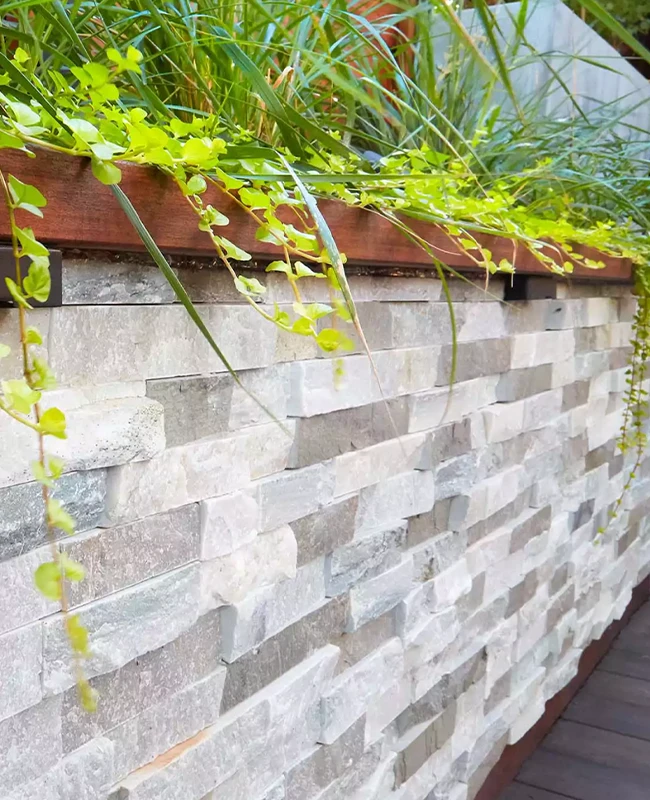
Stone cladding adds natural elegance and durability, available in granite, limestone, or slate, with versatile patterns suited to rustic or traditional designs.
Details
- Materials
- Natural stone types such as granite, limestone, slate, sandstone, or quartzite
- Colors & Textures
- From earthy tones and rugged textures to smooth, refined finishes
- Patterns
- Random ashlar, coursed, stacked stone, mosaic, or custom arrangements
Timeless Appeal—natural stone offers elegance and character that never goes out of style
Durable & Long-Lasting—withstands weather, fire, and wear, ensuring generations of performance
Design Variety—wide selection of stone types, colors, and patterns for unique customization
Low Maintenance—requires little upkeep while retaining its natural strength and beauty
Versatile Applications—suitable for modern, rustic, or traditional designs depending on finish and layout
Natural Texture—adds depth and visual richness to facades, walls, and outdoor features
Why Choose Stone from CRDG?
Natural Beauty That Lasts
Stone cladding brings authenticity and depth to outdoor spaces, blending seamlessly with nature while offering a sense of permanence. Each installation becomes distinctive due to unique textural variations and natural characteristics impossible to replicate synthetically.
Strength with Versatility
Despite traditional associations, stone proves highly flexible. Smooth-cut granite or slate suits modern and minimalist designs, while rough limestone or stacked sandstone enhances rustic aesthetics. This adaptability enables compatibility with contemporary and classic architectural styles alike.
Natural Beauty That Lasts
Stone cladding is a timeless choice that brings natural elegance, texture, and durability to outdoor and architectural spaces. The material works well in traditional, rustic, and luxury designs.
Available options include granite, limestone, slate, and sandstone, offering varied colors and textures alongside both aesthetic appeal and structural strength. Each installation becomes distinctive due to unique textural variations and natural characteristics impossible to replicate synthetically.